19.05.2015

Trëppeltour um Natura 2000 Dag

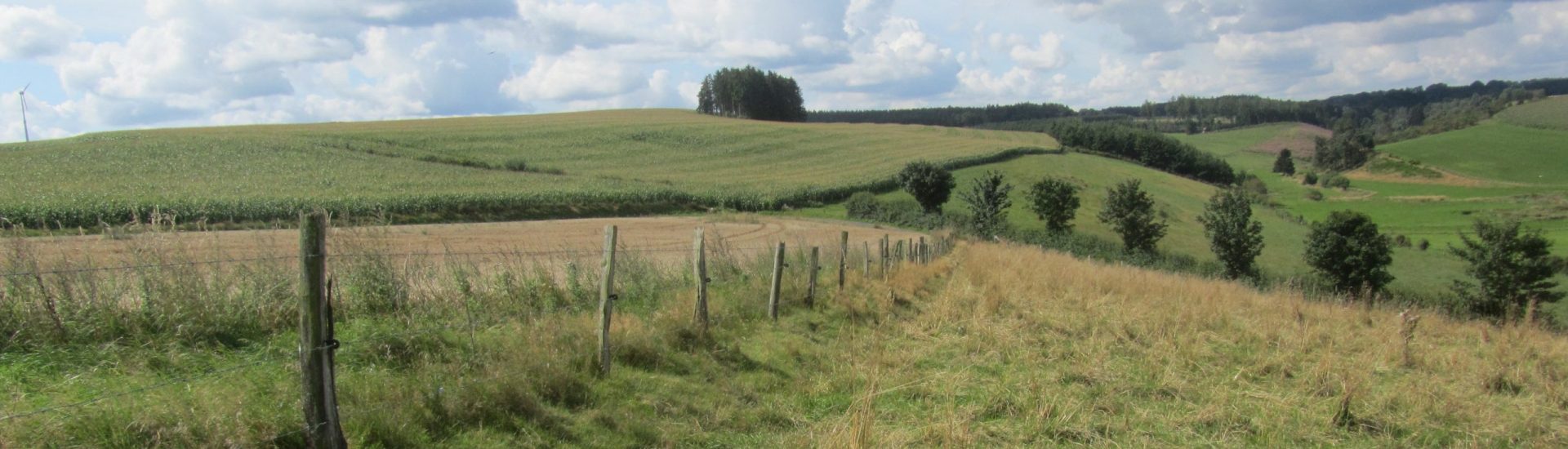
De Life Eislek Projet organiséiert dësen Donneschden, 21. Mee, um Natura 2000 Dag zesumme mam Life Unio Projet en Trëppeltour iwwert ee vun deene schéinsten Naturweeër a Lëtzebuerg. Den Natur Pur Wanderwee weist wéi d’Notzung vun den natierleche Ressourcen d’Landschaft un der Uewersauer an de leschte Jorhonnert beaflosst huet. Wann dir interesséiert sidd fir mat ze goen, da mëllt iech um 26 90 81 27 1 un. Treffpunkt ass um 18:30 um Parking « Pont Misère ».
12.05.2015

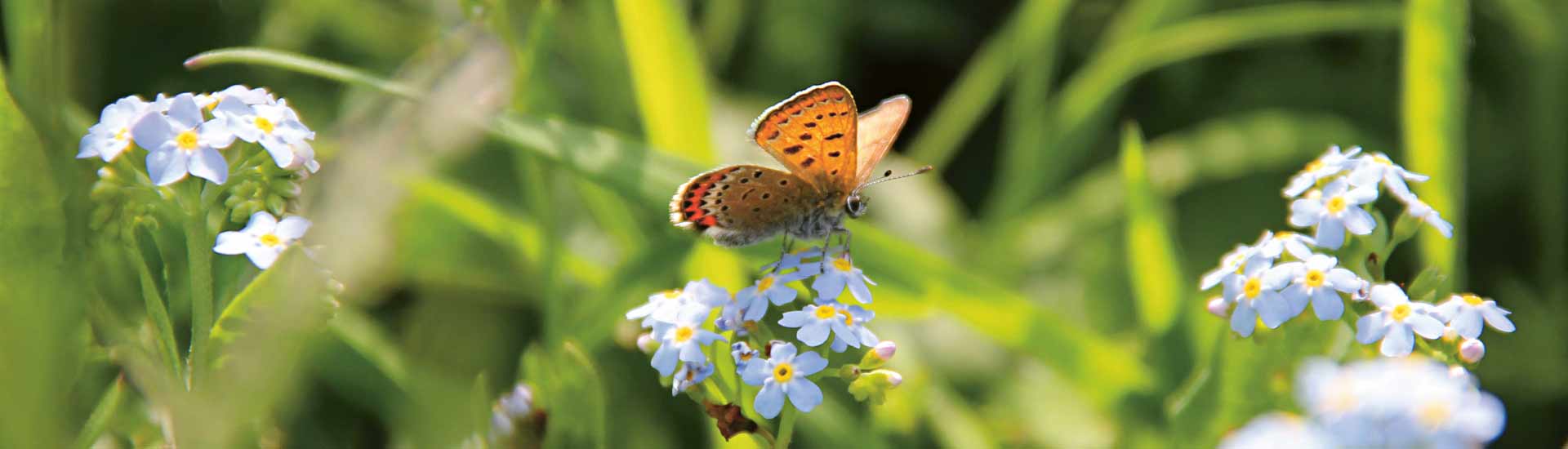
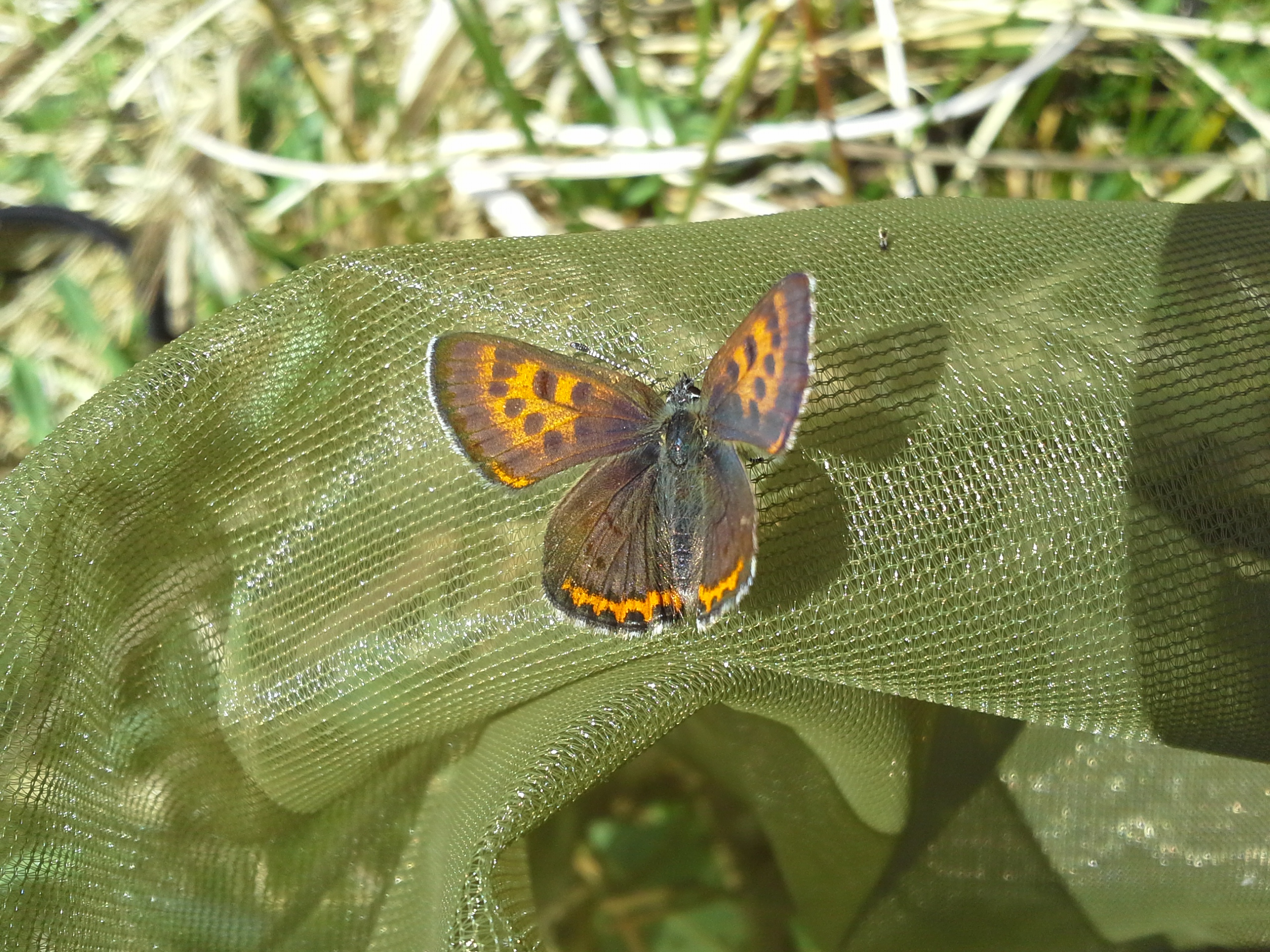
First Lycaena helle observations 2015

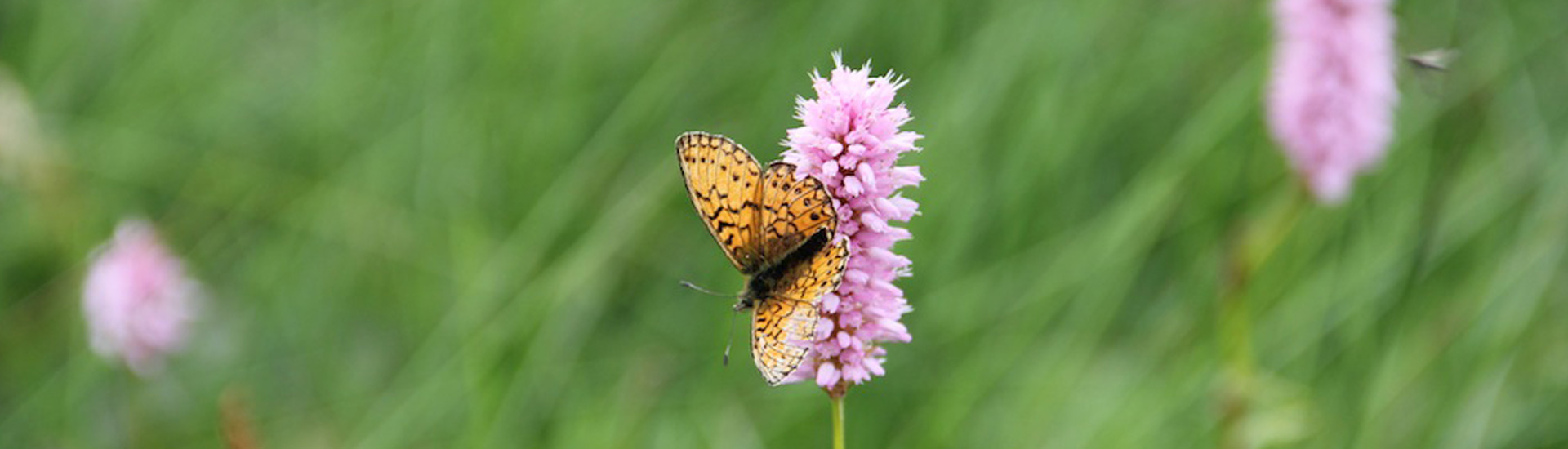
The first observation of the violet copper in 2015 was on the 24th of April. Due to adverse weather conditions, monitoring only started on the week of the 11th of May. The project hopes for a warm and sunny summer and thus a long monitoring season. We would like to thank all the volunteers contributing to the gathering of data on this very rare butterfly species.

(suite…)

2015-04-24 14.52.30

08.05.2015

Zu Besuch bei Rur&Kall

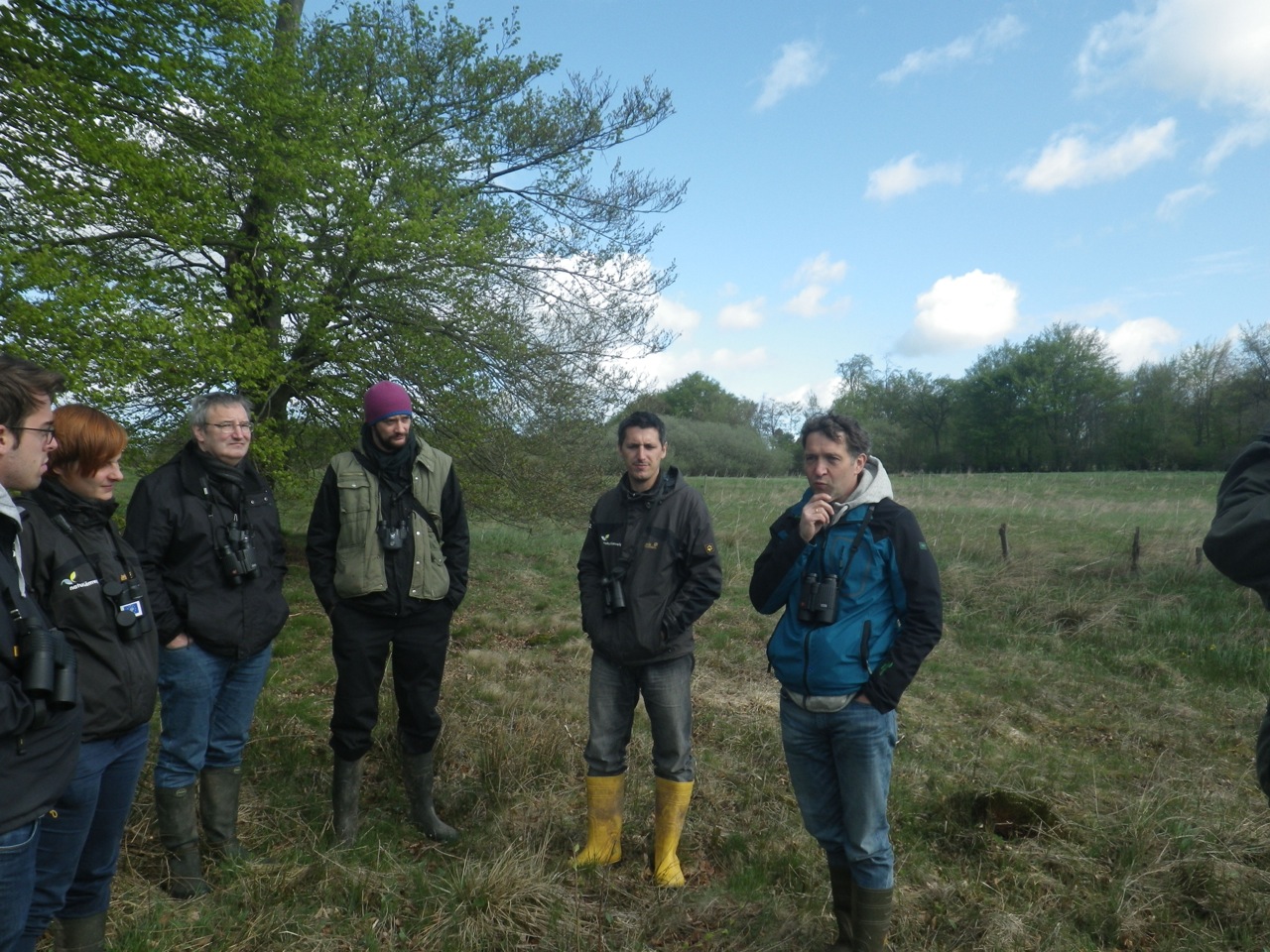
Am 6. Mai hat das Life Eislek Team Bernhard Theissen vom Projekt Rur&Kall in der Eifel besucht. Ein erster Kontakt zwischen den beiden Projekten hat beim Interlife in Luxemburg stattgefunden. Es hat sich schnell herausgestellt dass beide Projekte einige Parallelen aufweisen besonders bezüglich des blauschillernden Feuerfalters. (suite…)

Nachdem Bernhard Theissen die Möglichkeit hatte das Projektgebiet des Life Eislek während des Interlife zu betrachten, hat das Life Eislek Team nun auch die Möglichkeit genutzt eine andere Lycaena helle Population zu besuchen. Außerdem hat Alexander Rauw des Life Papillons aus Belgien am Austausch teilgenommen. Vergleiche und Diskussionen bezüglich des Management dieses speziellen Habitats können die Situation dieses seltenen Schmetterlings grenzübergreifend verbessern. Die Zusammensetzung der Monitoring Daten der drei Regionen (L, D, B) wird ein vollständigeres Bild abgeben als wenn jedes Projekt nur mit seinen eigenen Daten arbeitet. Als nächster Schritt steht ein Treffen in Belgien statt um auch dieses Gebiet besser kennen zu lernen. IMGP3491

21.04.2015

Bistort Propagation

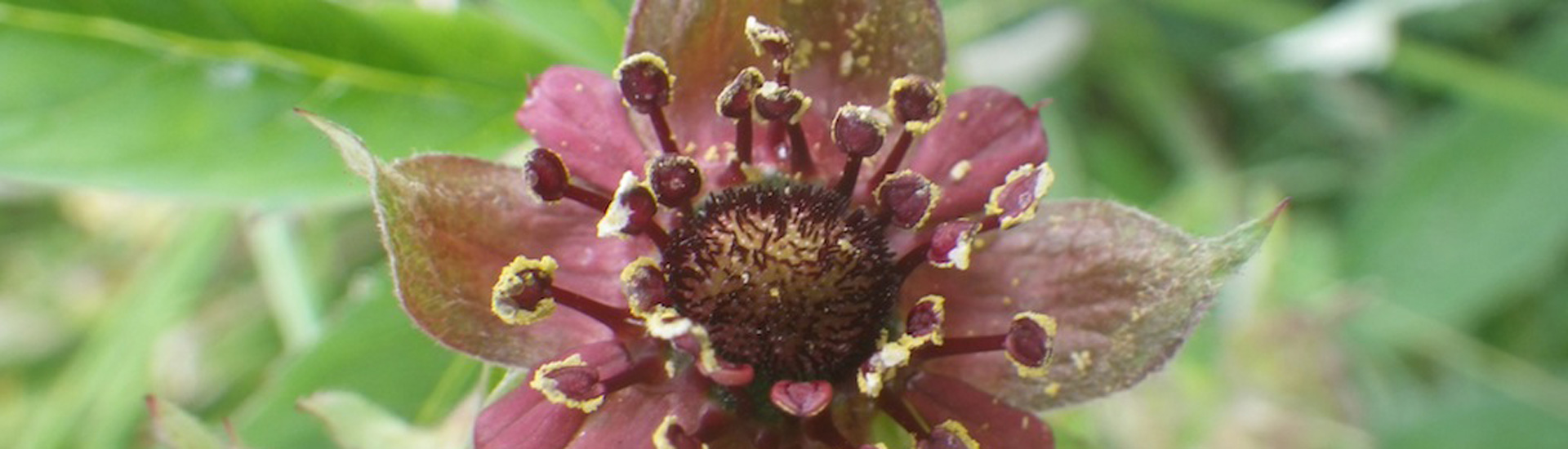
On the 15th of April, a rhizome transplanting took place for a third time since the project started. Learning from previous years, the methods are continuously ameliorated to be the most efficient. Besides rhizome transplantation we also try to reintroduce the bistort by seeds collected in large bistort meadows. However, seeding in the wild was not successful so far. Germination only took place in petry dishes vernalised in the refrigerator. For this reason the project is planning a collaboration with the museum of natural history and the SICONA concerning the reproductive system of the bistort through genetic analysis to determine the best methods for propagation.

(suite…)

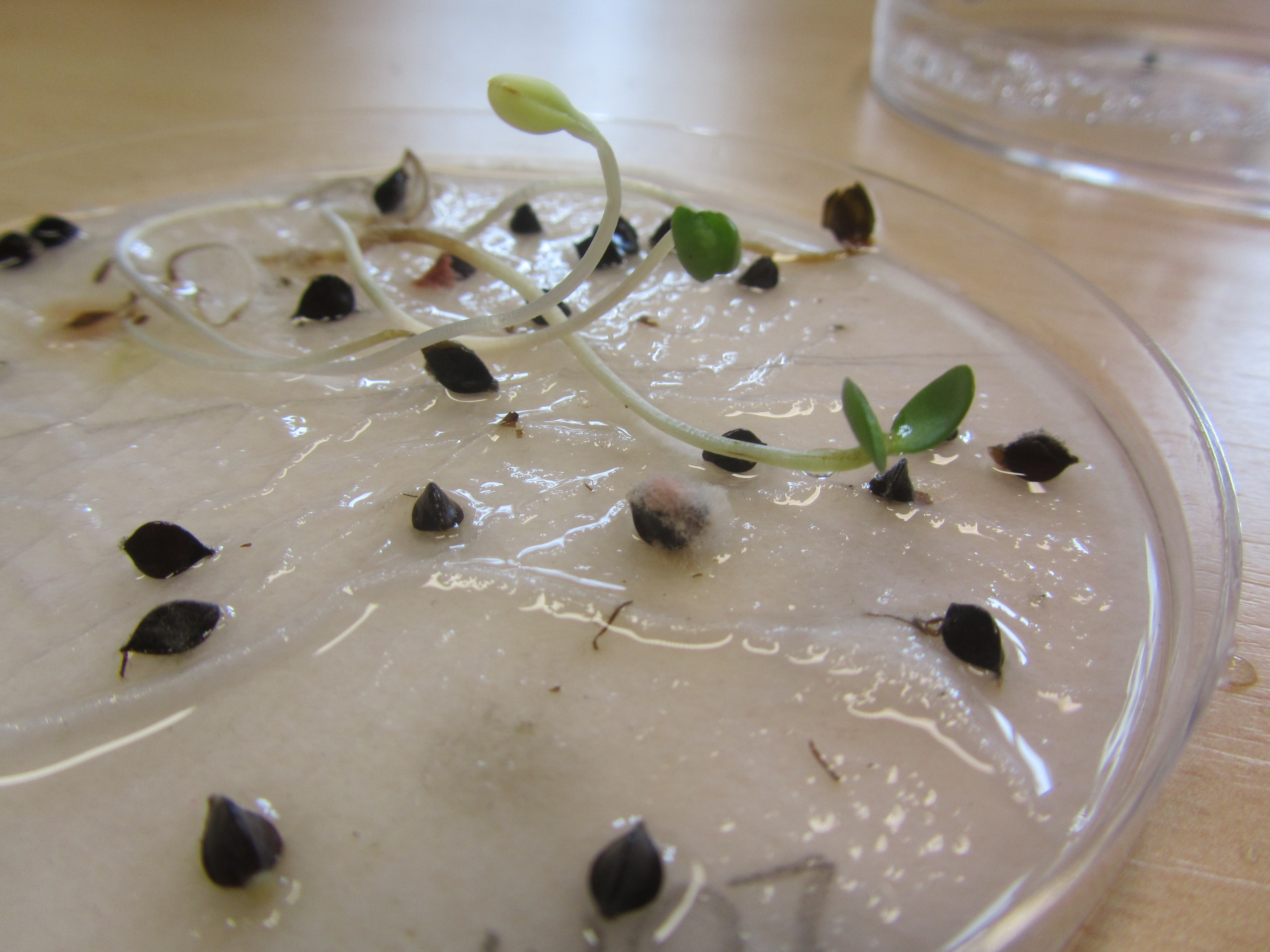
IMG_4426

Bistort seedlings after vernalisation in a petri dish at about 4°C in the refrigerator.

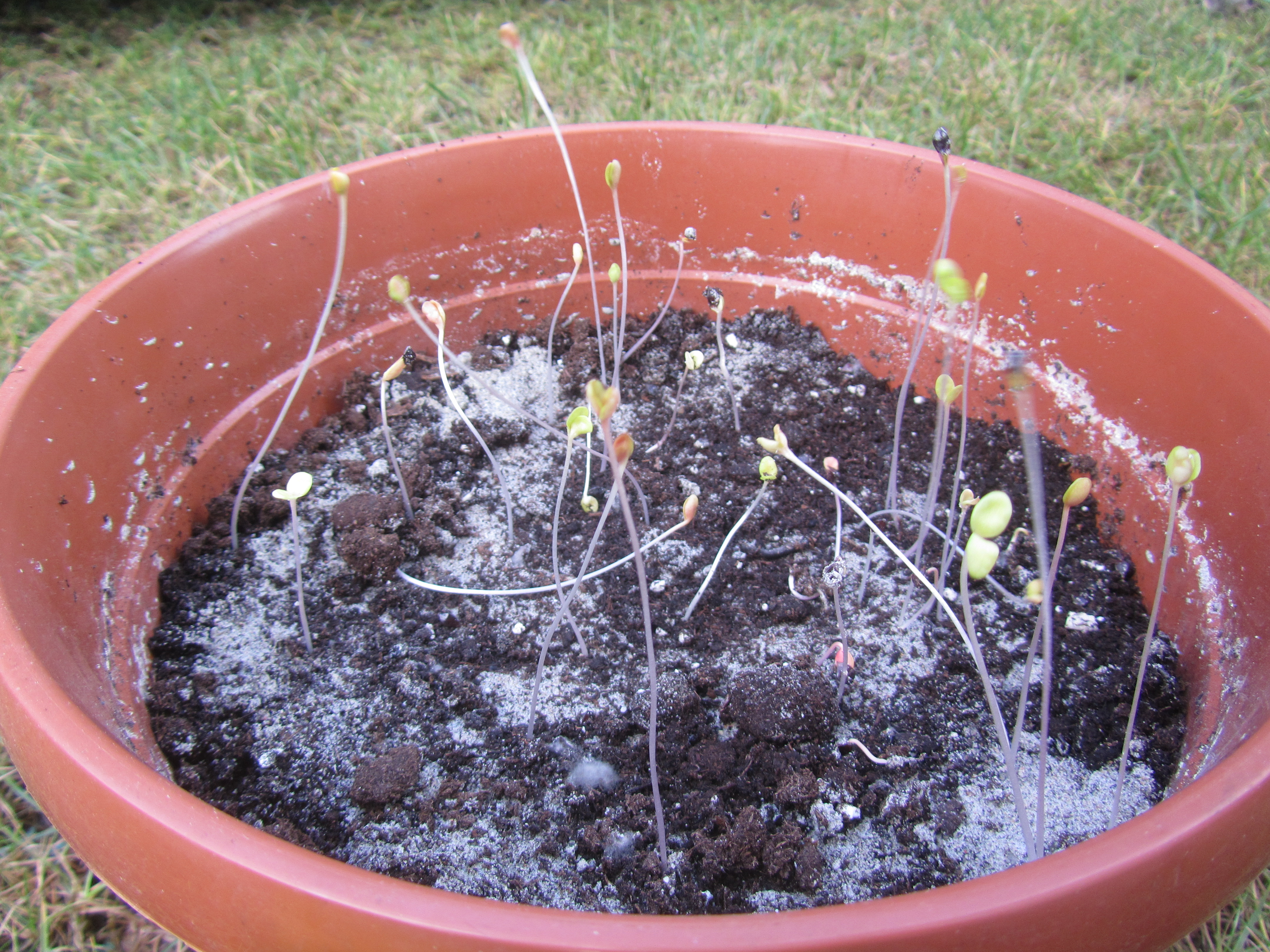
IMG_5224

Germination in a flower pot after vernalisation in moist sand in a refrigeator at about 4°C.

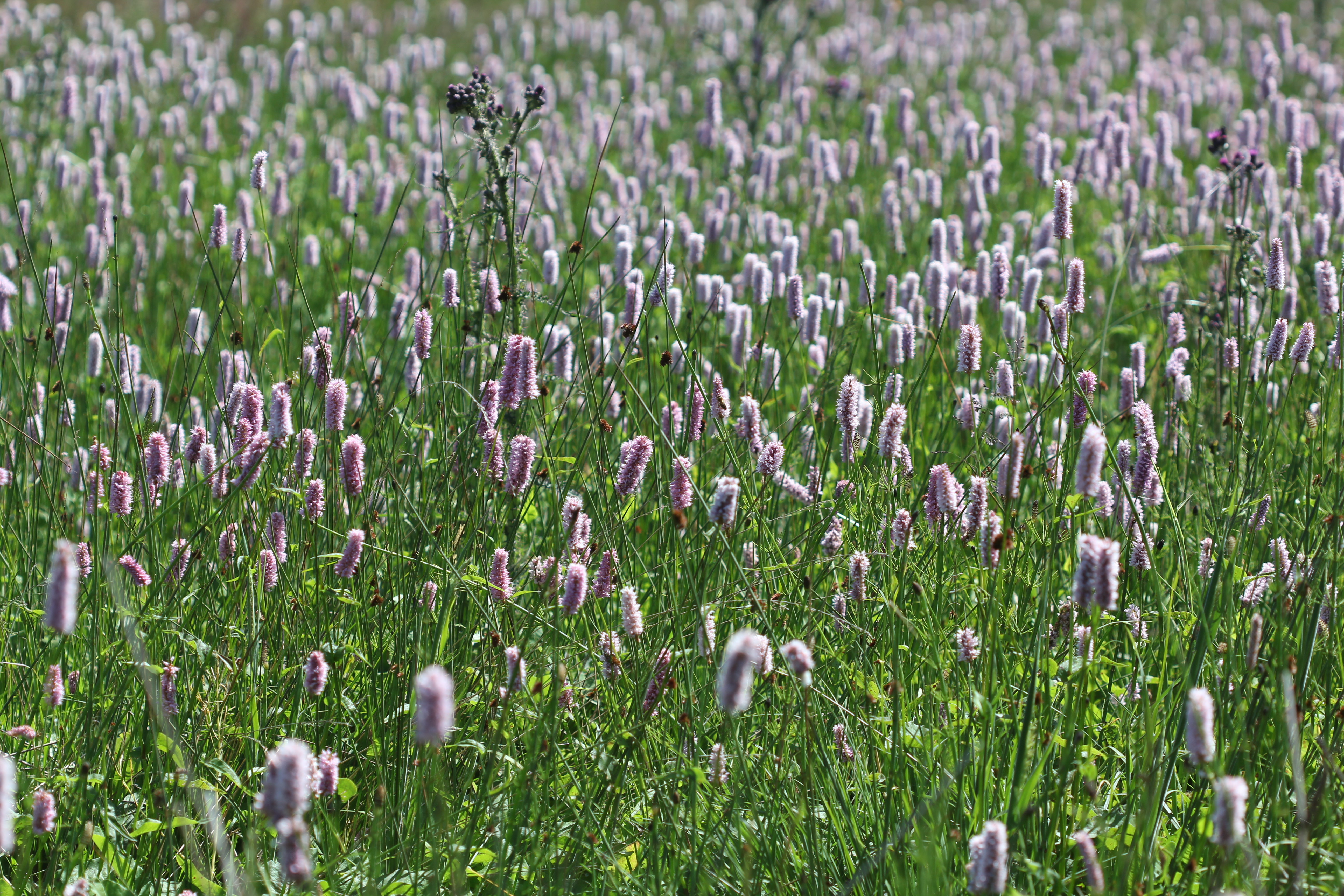
IMG_5458

A source population and the desired outcome of rhizome transplanting and seed dsipersal.


09.03.2015

Informationsversammlung in Heinerscheid

Einsatz von Spritzmitteln -­ wie können ihre negativen Auswirkungen reduziert werden? 

In Zusammenarbeit mit dem LIFE Unio Projekt fand am 4. März eine Informationsveranstaltung für die Landwirte des Projektgebietes statt. Ungefähr. 30 Landwirte hörten sich im Centre Culturel in Heinerscheid mehrer Vorträge zum Thema Pestizideinsatz und Pestizdvermeidung an.
(suite…)

Folgende Vorträge wurden vorgestellt.
Alexandra Arendt und Michelle Clemens (natur & ëmwelt):Kurze Vorstellung der zwei Life Projekte
Jaques Engel (ASTA): Loi du 19 décembre 2014 relative aux produits phytopharmaceutiques et règlements d’exécution
Alain Majerus (Chambre d’Agriculture): Einsatz von Spritzmitteln -­ wie können ihre negativen Auswirkungen reduziert werden?
Gerber van Vliet (IBLA): Landwirtschaft ohne chemisch-synthetische Spritzmittel

10.02.2015

3 Arten 1 Ziel

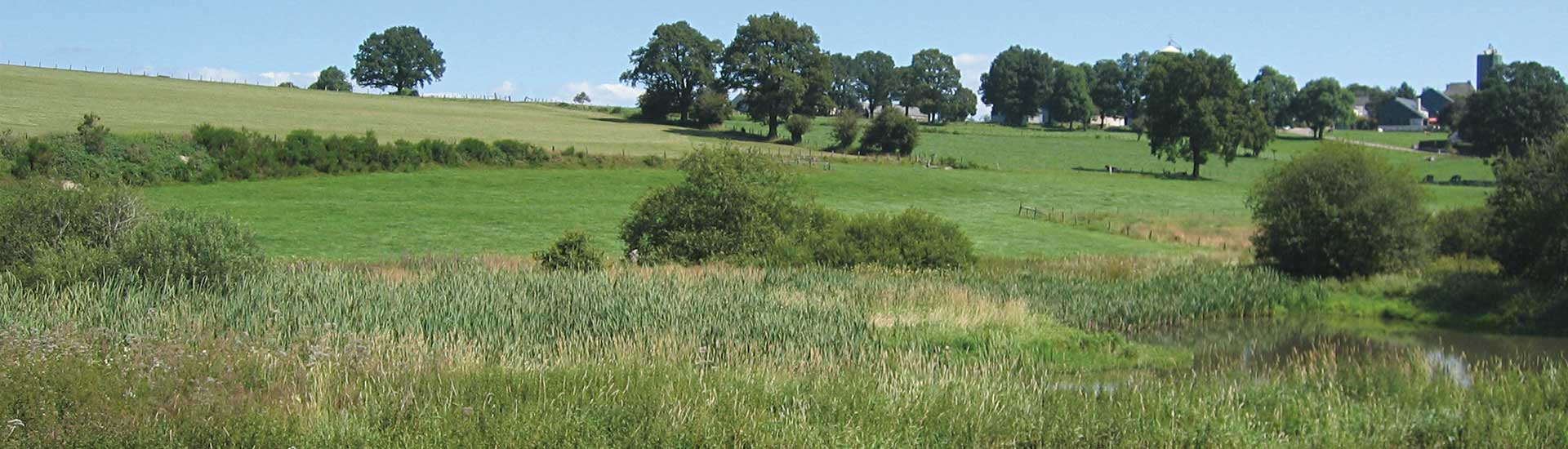
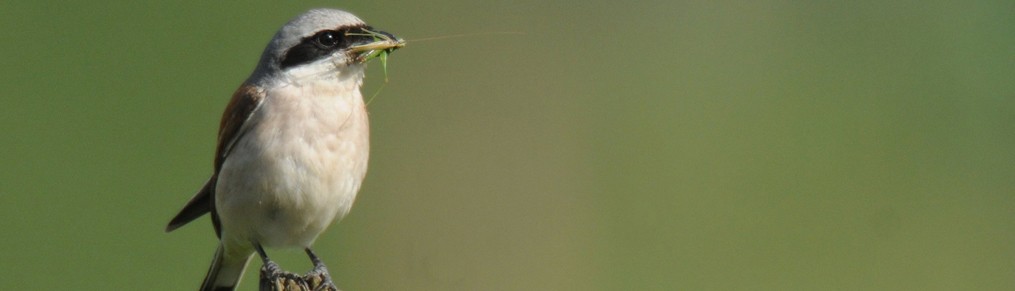
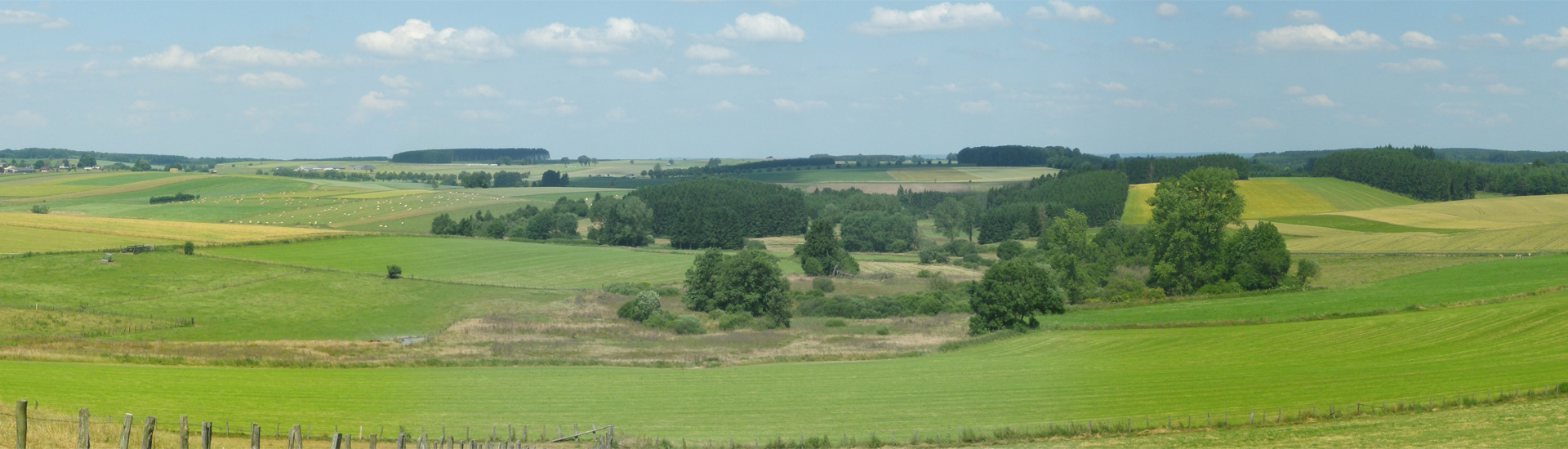
Der Vortrag « 3 Arten 1 Ziel » entführt sie in die Feuchtgebiete des Öslings, das Projektgebiet des LIFE Eislek. Wir stellen ihnen das Habitat mit drei seiner typischen Bewohner vor, blauschillernder Feuerfalter, Neuntöter und Braunkehlchen. Das Ziel ist eine Verbesserung des Schutzstatus dieser Arten, die als Repräsentant ihres Habitats gewählt wurden. Wir erklären ihnen wie wir bei einem solchen Projekt vorgehen und welche Maßnahmen getroffen werden um das gewünschte Ziel zu erreichen.

(suite…)

Wann: 24.02.15, 19.00-21.00 

Wo: Haus vun der Natur, 5 Route de Luxemburg, L-1899 Kockelscheuer

Buslinie 18 – Haltestelle: Kockelscheuer- Patinoire

P&R Kockelscheuer-Patinoire, vom Parking aus erreicht man das Haus vun der Natur in einigen Minuten über den Fußweg.

Wer: Michelle Clemens, MSci Zoology, von natur&emwelt Fondation Hëllef fir d’Natur

Weitere Auskünfte: 29 04 04 1, secretariat@naturemwelt.lu

16.01.2015

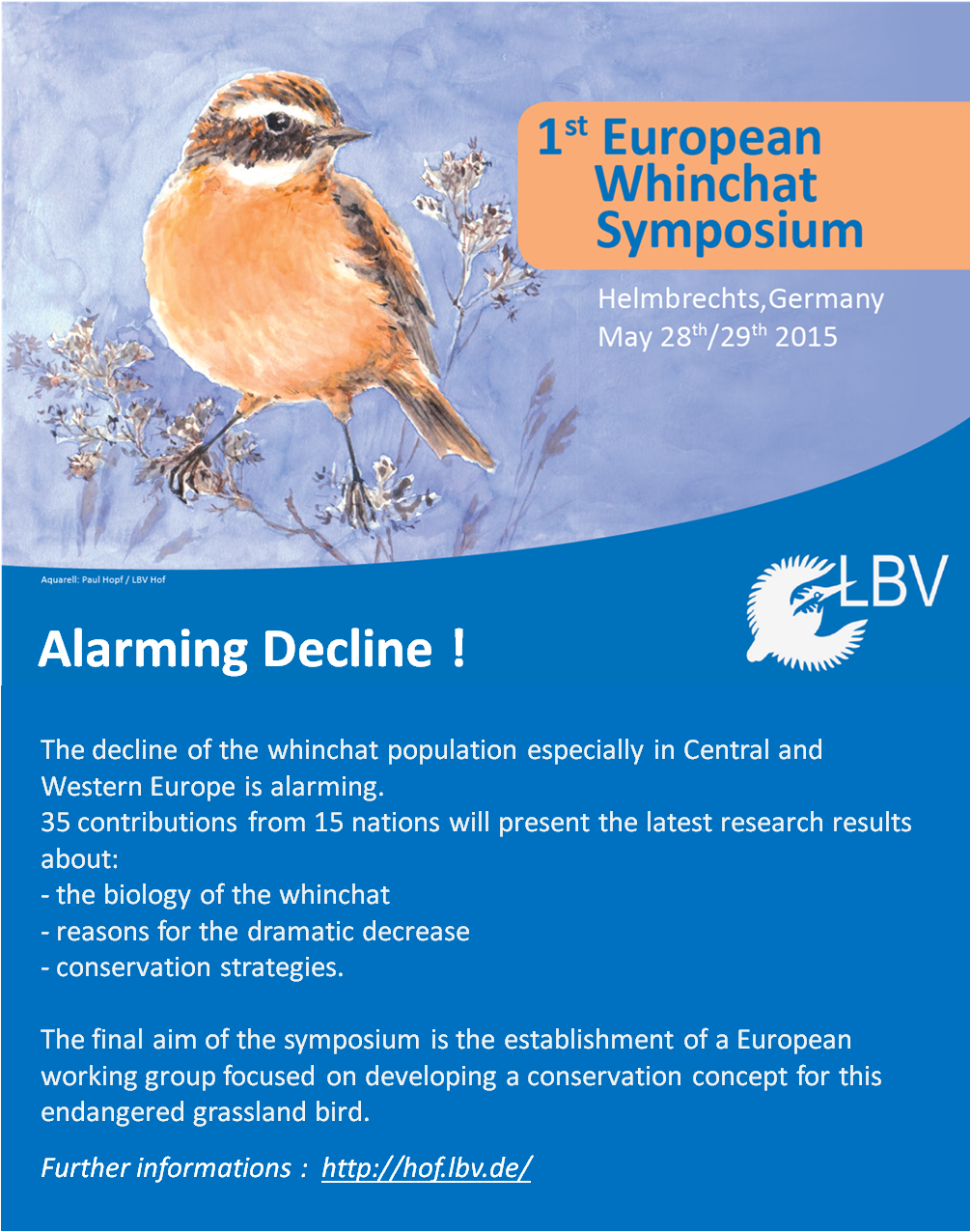
1st International Whinchat Symposium

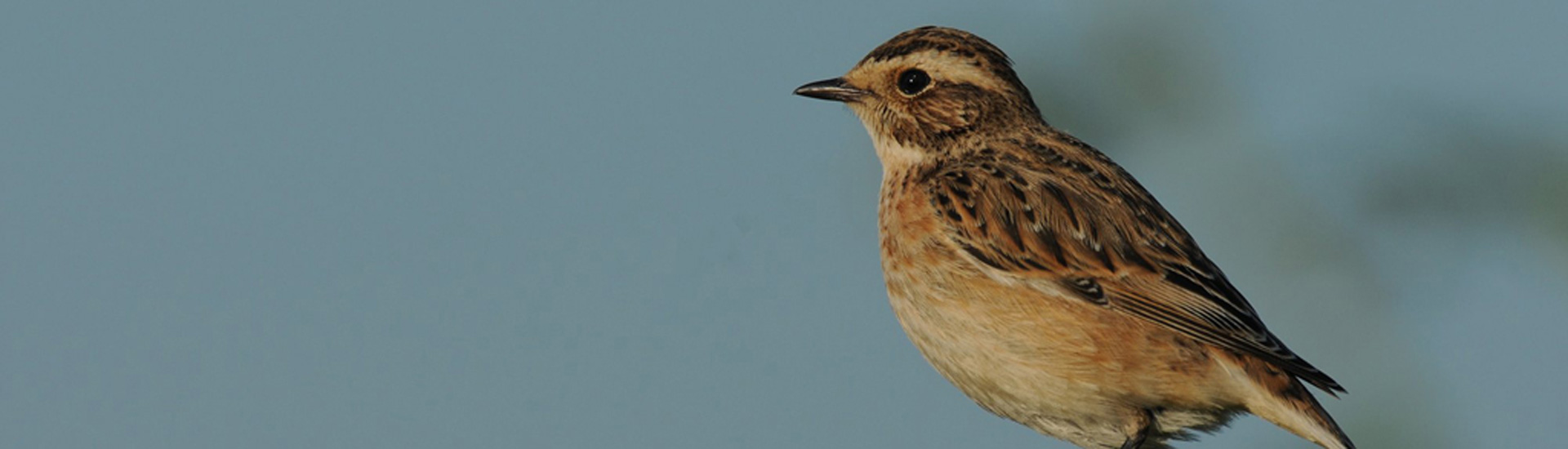
Among the target species of the life Éislek projekt is the Whinchat Saxicola rubetra. The dramatic decline of this iconic and previously common species has alarm bells ringing across all countries within the Whinchat’s former range. In addition to the many direct actions that we carry out to improve the situation on the ground, our project also aims at improving communications with other conservation organisations and establishing an international network of experts. For this reason, our team will take part in the 1st International Whinchat Symposium from 28-29th May in Helmbrechts, Germany, where 35 contributions from 15 nations will look into the different reasons for the dramatic decline of the species and discuss potential conservation strategies for the future. (suite…)

More information on the symposium and the event organiser Landesbund für Vogelschutz in Bayern e. V. – Kreisgruppe Hof can be found at: http://hof.lbv.de/Braunkehlchen-2